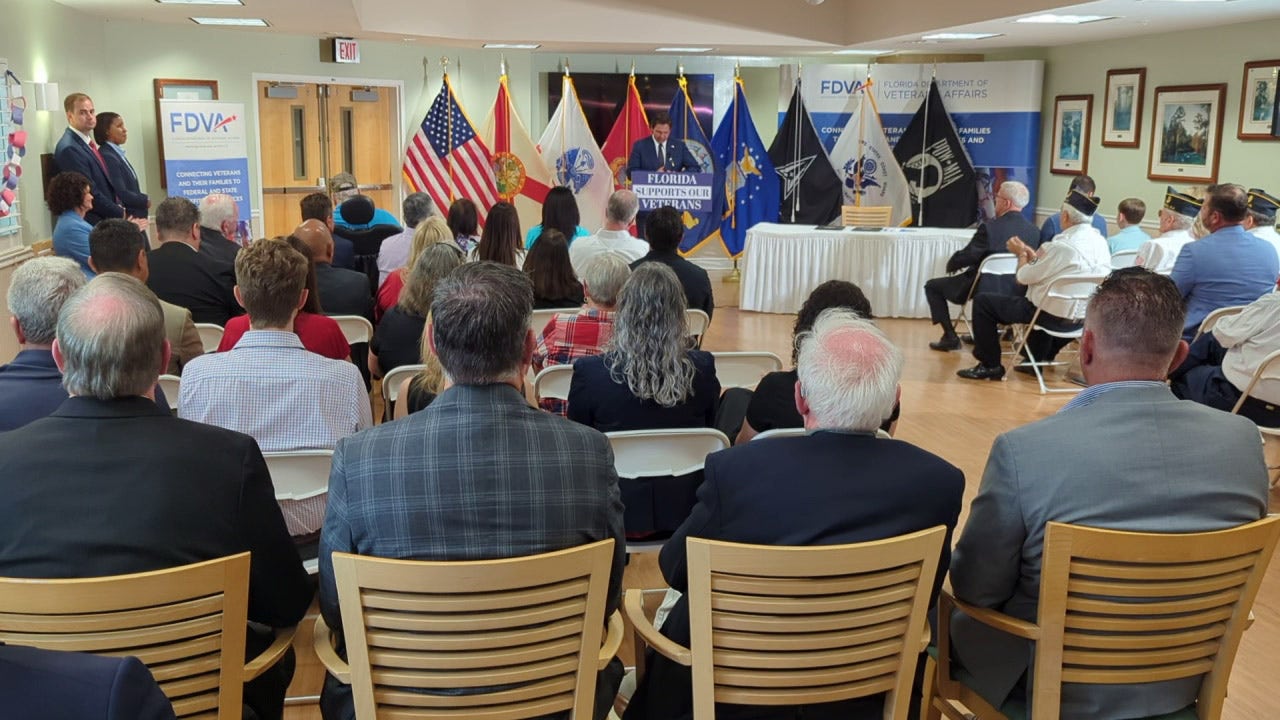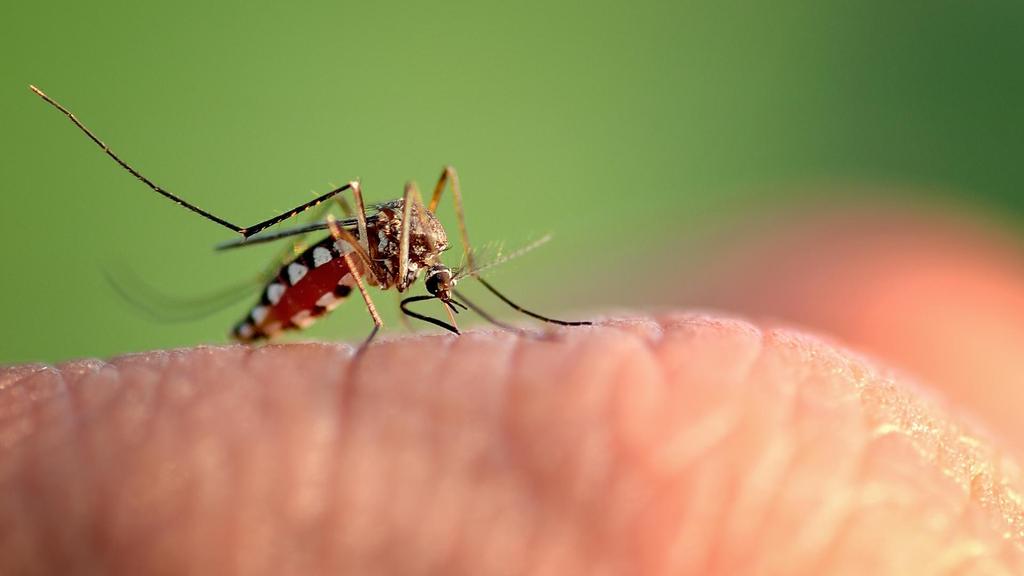
The Florida Department of Health has confirmed 425 locally acquired cases of dengue fever in 2026, with the majority reported in Hillsborough County. Between October 11 and October 17, health officials confirmed 57 new cases, noting significant increases in both Pinellas and Hillsborough Counties. Hillsborough County remains the epicenter of the outbreak, accounting for approximately 80% of all statewide cases and reporting one related death on September 18. The disease has recently spread to three additional counties: Citrus, Manatee, and Brevard, while mosquito pools in eleven total counties have tested positive for the virus. Pinellas County has extended its state of emergency through October 29 due to high winds delaying aerial mosquito treatments, while Hillsborough County has also extended its emergency declaration after spending around $6 million on mosquito control efforts. Health officials urge residents to prevent infection by using insect repellent, wearing protective clothing, and eliminating standing water sources such as discarded tires that serve as breeding grounds for Aedes mosquitoes.
Key Points:
- Florida has confirmed 425 locally acquired dengue fever cases in 2026, with Hillsborough County accounting for 80% of the total.
- Between October 11 and October 17, Florida DOH confirmed 57 new dengue cases, with the largest increases in Pinellas and Hillsborough Counties.
- Dengue has spread to three additional counties: Citrus, Manatee, and Brevard, with mosquito pools testing positive across 11 total Florida counties.
- Pinellas County extended its state of emergency through October 29, while high winds are delaying aerial mosquito larvae treatments until at least the middle of next week.
- Hillsborough County has spent approximately $6 million on mosquito control this year and extended its state of emergency for the fourth time.