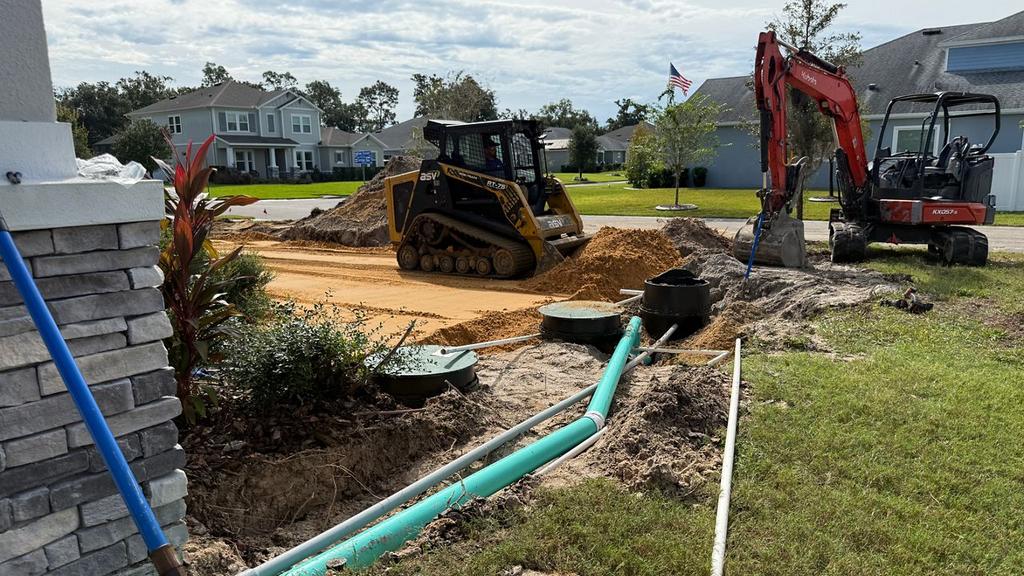
University of South Florida students are collaborating with ACE Septic and Waste to develop cost-effective methods for removing pollutants from septic wastewater. This initiative addresses a critical environmental challenge in Florida, where nearly 30% of households rely on septic systems that often allow nitrogen to pollute groundwater and waterways. The partnership aims to provide affordable on-site treatment solutions for older neighborhoods where extending public sewer lines would be prohibitively expensive. Researchers are testing natural materials such as crushed oyster shells, zeolite minerals, and biochar, which have already demonstrated a 50% increase in nitrogen removal efficiency. The work involves both field testing and mathematical modeling to optimize system design and ensure environmental protection in sensitive areas like spring-fed ecosystems.
Key Points:
- Nearly 30% of Florida households rely on septic systems, amounting to approximately 2.6 million septic tanks across the state
- Conventional septic systems do not remove most nitrogen from wastewater, allowing it to reach groundwater and contribute to pollution
- Extending public sewer lines to older neighborhoods can cost up to $100,000 per lot, making on-site treatment a more affordable alternative
- Crushed oyster shells and zeolite minerals have each produced a 50% increase in nitrification, indicating improvement in pollutant removal